
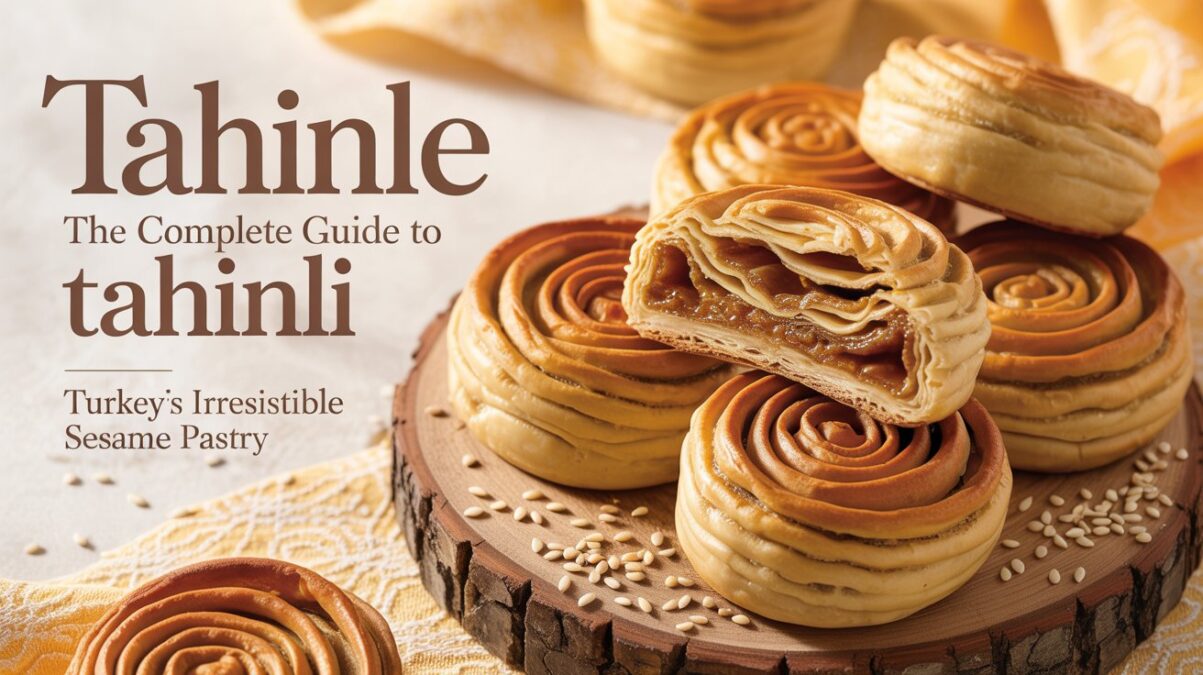

What Is Tahinle?
Tahinle, often referred to as Tahinli or Tahinli Çörek, is a traditional Turkish pastry made from layers of soft dough generously spread with tahini and sugar, then rolled and baked until golden and fragrant. The word derives from tahin, the Turkish term for sesame paste. This rich and aromatic pastry is celebrated throughout Turkey and neighboring regions for its delicate sweetness, flaky texture, and nutty flavor.
Tahinle occupies a unique place in Turkish cuisine because it combines simple pantry ingredients—flour, yeast, sugar, and tahini—into a bakery item that feels both comforting and luxurious. Whether served for breakfast, with afternoon tea, or during festive gatherings, Tahinle remains one of the most cherished pastries in the Eastern Mediterranean culinary tradition.
The History and Cultural Importance of Tahinle
The origins of Tahinle can be traced to the Ottoman culinary heritage, where sesame seeds and tahini were highly valued ingredients. Sesame cultivation has flourished for centuries across Anatolia, the Levant, and the Balkans, making tahini a staple in both savory and sweet recipes.
In Turkish households, Tahinle symbolizes hospitality and tradition. Families often prepare it during holidays and special occasions, and regional bakeries display freshly baked Tahinli rolls each morning. In cities such as Konya, Ankara, and Eskişehir, this pastry is particularly popular and may vary slightly in shape, sweetness, and texture.
Why Tahinle Is So Popular
The enduring popularity of Tahinle comes from its remarkable balance of flavors and textures.
- Nutty richness from tahini
- Caramelized sweetness from sugar
- Soft and flaky dough
- Warm aroma of toasted sesame
- Versatility as breakfast, snack, or dessert
Unlike many pastries that rely on butter-heavy fillings, Tahinle uses tahini as the primary source of flavor and moisture, creating a distinctive taste that is both wholesome and indulgent.
Key Ingredients in Tahinle
Tahini
The star ingredient is tahini, a creamy paste made from ground sesame seeds. It provides the pastry with its characteristic nutty flavor and silky texture.
Flour
High-quality all-purpose flour forms the soft and elastic dough that supports the layered filling.
Yeast
Yeast allows the dough to rise, creating a light and airy interior.
Sugar
Granulated sugar is sprinkled over the tahini, melting during baking to create a subtle caramelized sweetness.
Milk
Warm milk enriches the dough and contributes to a tender crumb.
Butter or Oil
A small amount of fat improves softness and helps preserve freshness.
Egg
Egg adds structure and gives the pastry a beautiful golden color.
Health Benefits of Tahinle
Although Tahinle is a sweet pastry, it also offers nutritional value due to its tahini content.
Rich in Healthy Fats
Tahini contains unsaturated fats that support heart health.
Excellent Source of Calcium
Sesame seeds are naturally high in calcium, promoting strong bones and teeth.
Packed with Minerals
Tahini provides magnesium, iron, zinc, and phosphorus.
Contains Plant-Based Protein
Sesame paste contributes protein, making Tahinle more satisfying than ordinary pastries.
Loaded with Antioxidants
Sesame seeds contain beneficial compounds that help protect cells from oxidative stress.
Authentic Tahinle Recipe
Ingredients
Dough
- 4 cups all-purpose flour
- 1 cup warm milk
- 2 teaspoons instant yeast
- 1 egg
- 1/4 cup sugar
- 1/4 cup melted butter
- 1/2 teaspoon salt
Filling
- 1 cup tahini
- 1 cup sugar
Topping
- Sesame seeds
- Egg yolk for brushing
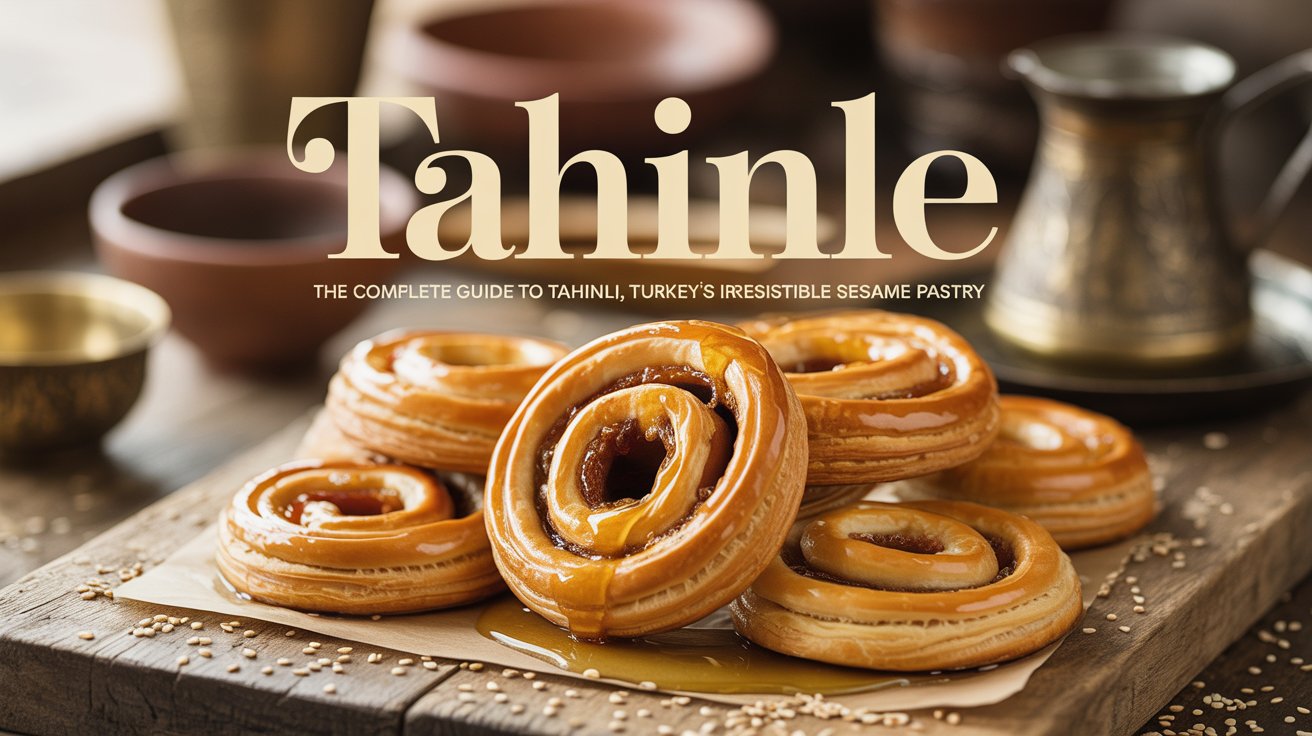
How to Make Tahinle Step by Step
1. Prepare the Dough
In a large mixing bowl, combine warm milk, yeast, and sugar. Let the mixture rest until foamy. Add egg, butter, and salt, then gradually incorporate flour until a smooth dough forms. Knead thoroughly until elastic and soft.
2. Let the Dough Rise
Cover the dough and allow it to rise in a warm place for about one hour, or until doubled in size.
3. Roll Out the Dough
Transfer the dough to a lightly floured surface and roll it into a large rectangle.
4. Spread the Tahini
Evenly coat the surface with tahini, ensuring every corner is covered.
5. Sprinkle Sugar
Distribute sugar over the tahini layer.
6. Roll and Shape
Roll the dough tightly into a log, then coil or twist into spirals.
7. Second Rise
Arrange the shaped pastries on a baking tray and let them rest for 20–30 minutes.
8. Brush and Top
Brush with egg yolk and sprinkle sesame seeds on top.
9. Bake
Bake at 180°C (350°F) for 25–30 minutes until deeply golden and fragrant.
How Tahinle Tastes
Tahinle offers a uniquely rich and satisfying flavor profile. The first bite reveals a soft exterior with crisp edges, followed by layers infused with sweet tahini filling. The toasted sesame aroma intensifies during baking, creating a pastry that is mildly sweet, buttery, and deeply nutty.
The balance is never overwhelming; instead, the sweetness complements the natural earthiness of sesame, making Tahinle appealing even to those who prefer desserts with moderate sugar levels.
Regional Variations of Tahinle
Turkish Tahinli Çörek
Typically shaped into swirls and topped with sesame seeds.
Cypriot Tahinopita
A closely related pastry from Cyprus, often flavored with cinnamon.
Levantine Sesame Rolls
In Lebanon and surrounding countries, tahini pastries may include nuts or spices.
Balkan Versions
Some Balkan bakeries produce sweet breads inspired by Ottoman tahini pastries.
Serving Suggestions
Tahinle is exceptionally versatile and can be enjoyed in numerous ways.
- Warm for breakfast with tea
- As an afternoon snack with coffee
- As a festive dessert
- Packed for picnics and travel
- Served with honey or clotted cream
Its rich sesame flavor pairs beautifully with Turkish tea, espresso, or even a glass of cold milk.
Tips for Perfect Tahinle
- Use high-quality, well-stirred tahini.
- Roll the dough thinly for defined layers.
- Avoid overfilling to prevent leakage.
- Let the dough rise fully for a soft texture.
- Bake until golden for maximum flavor.
- Store airtight to preserve freshness.
How to Store Tahinle
Freshly baked Tahinle stays soft for up to three days at room temperature when stored in an airtight container. It can also be refrigerated for up to one week and frozen for up to three months. Reheat briefly in the oven to restore its original texture and aroma.
Tahinle vs. Other Tahini Pastries
Tahinle differs from ordinary sweet rolls because the filling is based entirely on tahini rather than butter and cinnamon. This gives the pastry a more complex, nutty flavor and a moist, tender crumb. Compared with pastries such as cinnamon rolls or babka, Tahinle offers a lighter sweetness and a distinctive sesame character.
Why Homemade Tahinle Is Better
Homemade Tahinle allows us to control ingredient quality, sweetness, and texture. Freshly baked at home, the aroma of toasted sesame fills the kitchen, and the pastry emerges exceptionally soft and flavorful. The process is also deeply rewarding, connecting us with centuries of culinary tradition.
Conclusion
Tahinle is far more than a simple pastry. It is a treasured expression of Turkish baking heritage, combining soft yeasted dough with the luxurious flavor of tahini and the gentle sweetness of sugar. With its flaky layers, toasted sesame aroma, and remarkable versatility, Tahinle continues to delight generations across Turkey and beyond.
Whether we enjoy it as a breakfast treat, an afternoon indulgence, or a homemade specialty for guests, Tahinle offers a rich and unforgettable taste experience. Once baked and shared, it quickly becomes a favorite that embodies both tradition and comfort.
Frequently Asked Questions About Tahinle
What is Tahinle made of?
Tahinle is made from yeast dough, tahini, sugar, and sesame seeds.
Is Tahinle the same as Tahinli Çörek?
Yes, Tahinle is another name commonly used for Tahinli Çörek, the traditional Turkish tahini pastry.
Is Tahinle sweet or savory?
Tahinle is mildly sweet, with a rich nutty flavor from sesame paste.
Can Tahinle be frozen?
Yes, it freezes very well for up to three months.
What does Tahinle taste like?
It tastes soft, flaky, sweet, and deeply nutty with pronounced sesame notes.
Is Tahinle healthy?
In moderation, Tahinle provides beneficial minerals, healthy fats, and plant-based protein from tahini.
Can I make Tahinle vegan?
Yes, dairy and eggs can be replaced with plant-based alternatives.
Where is Tahinle most popular?
It is especially popular throughout Turkey, Cyprus, and many Eastern Mediterranean countries.