
Posted inLifestyle







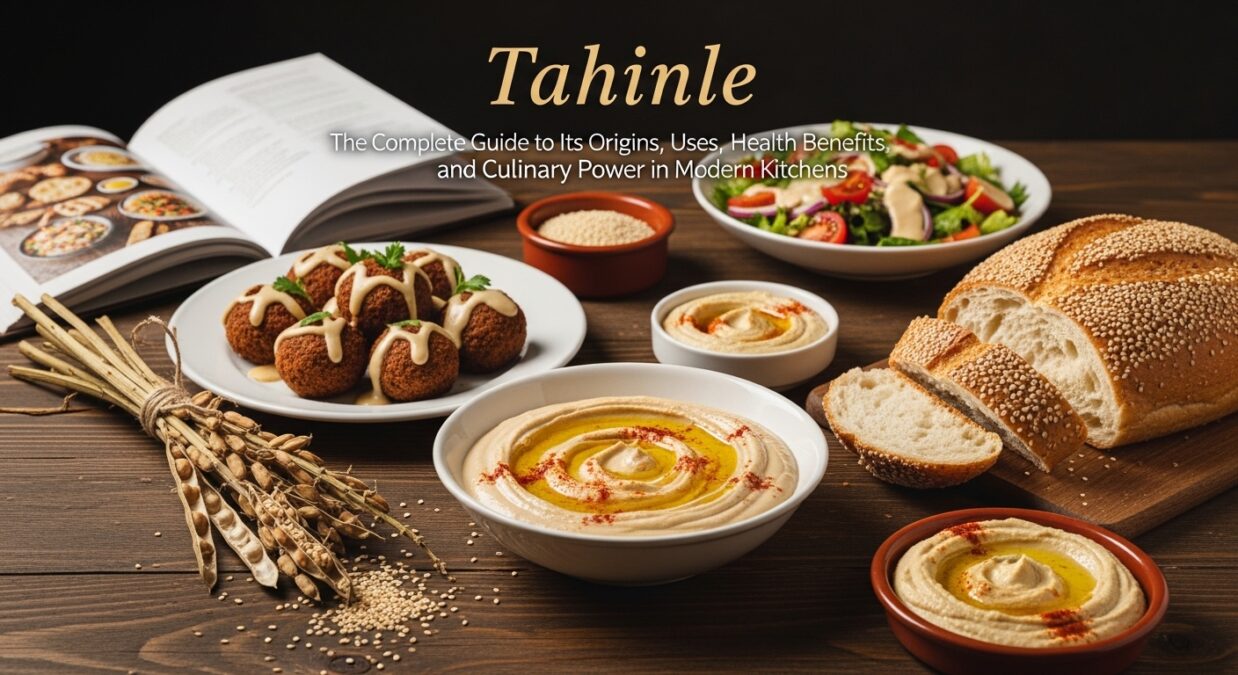
Tahinle: The Complete Guide to Its Origins, Uses, Health Benefits, and Culinary Power in Modern Kitchens
Tahinle has steadily gained attention among food enthusiasts, nutrition experts, and home cooks who value both flavor and nourishment. Often associated with creamy textures, nutty depth, and versatile usage, tahinle represents more than just a simple ingredient—it reflects a culinary tradition that spans cultures and centuries. Whether incorporated into savory meals, desserts, or healthy snacks, tahinle has become a staple in kitchens that prioritize wholesome and balanced eating.
At its core, tahinle is deeply rooted in the use of sesame seeds, a powerful ingredient known for its rich oil content and impressive nutritional value. From Middle Eastern spreads to contemporary plant-based recipes, tahinle plays a central role in enhancing both taste and texture. Its ability to blend seamlessly into different dishes makes it a go-to choice for chefs and home cooks alike who want to elevate their meals without adding unnecessary complexity.
The Origins and Cultural Significance of Tahinle
Tahinle traces its origins back to ancient civilizations where sesame seeds were highly prized for their oil and longevity. Regions across the Middle East, North Africa, and parts of Asia embraced sesame-based pastes as a core ingredient in daily cooking. Over time, tahinle emerged as a refined and widely appreciated version of these traditional pastes, celebrated for its smooth consistency and balanced flavor.
Historically, tahinle was more than just a food item; it symbolized nourishment and sustainability. Sesame seeds could be stored for long periods, making tahinle an essential resource during times when fresh ingredients were scarce. Communities relied on it not only for its taste but also for its energy-boosting properties, which made it a valuable addition to meals.
In modern culinary culture, tahinle continues to carry this heritage forward. It is often used in traditional recipes that have been passed down through generations, maintaining its authenticity while adapting to contemporary tastes. As global cuisine becomes more interconnected, tahinle has found its place in kitchens around the world, bridging the gap between tradition and innovation.
Nutritional Profile and Health Benefits of Tahinle
One of the most compelling aspects of tahinle is its impressive nutritional profile. Made primarily from sesame seeds, it is rich in healthy fats, protein, vitamins, and minerals. These nutrients contribute to overall well-being and make tahinle a valuable addition to a balanced diet.
Tahinle contains monounsaturated and polyunsaturated fats, which are known to support heart health. These fats help reduce bad cholesterol levels while promoting good cholesterol, contributing to improved cardiovascular function. Additionally, tahinle is a source of plant-based protein, making it particularly appealing for individuals following vegetarian or vegan diets.
Another notable benefit of tahinle is its high content of essential minerals such as calcium, magnesium, and iron. These minerals play a crucial role in bone health, muscle function, and oxygen transport within the body. Regular consumption of tahinle can help support these physiological processes while providing sustained energy throughout the day.
“Tahinle is a simple ingredient with profound nutritional value,” as many nutrition experts emphasize. Its ability to combine taste and health benefits makes it a standout choice in both traditional and modern diets.
Culinary Uses and Versatility in Everyday Cooking
Tahinle’s versatility is one of its strongest attributes. It can be used in a wide range of dishes, from savory spreads to sweet desserts, without losing its distinctive flavor. In savory cooking, tahinle is often blended into sauces, dressings, and dips, adding a creamy texture and nutty depth that enhances the overall dish.
One of the most popular uses of tahinle is in dips like hummus, where it complements chickpeas and spices to create a smooth and flavorful spread. It is also used in salad dressings, marinades, and grain bowls, providing a rich base that ties together various ingredients.
In sweet applications, tahinle can be incorporated into baked goods, smoothies, and desserts. Its natural richness pairs well with ingredients like honey, chocolate, and dates, creating indulgent treats that are both satisfying and nutritious. This adaptability allows tahinle to fit seamlessly into different culinary styles, making it a valuable ingredient for experimentation.
Comparison of Tahinle with Similar Ingredients
Understanding how tahinle compares to other spreads and pastes can help highlight its unique qualities. The following table provides a clear comparison:
| Feature | Tahinle | Peanut Butter | Almond Butter |
|---|---|---|---|
| Main Ingredient | Sesame seeds | Peanuts | Almonds |
| Flavor Profile | Nutty, slightly bitter | Sweet, rich | Mild, slightly sweet |
| Texture | Smooth, creamy | Thick, creamy | Slightly grainy |
| Nutritional Focus | High in calcium | High in protein | High in vitamin E |
| Culinary Uses | Savory and sweet | Mostly sweet | Both sweet and savory |
This comparison shows that tahinle stands out for its mineral content and versatility, making it suitable for a wider range of dishes.
How Tahinle Enhances Flavor and Texture
Tahinle plays a significant role in enhancing both flavor and texture in various dishes. Its creamy consistency allows it to act as a binding agent, bringing together different ingredients while adding a smooth finish. This makes it particularly useful in sauces and dressings where consistency is key.
The flavor profile of tahinle is complex yet balanced. It offers a nutty richness with subtle bitterness, which can be adjusted depending on the ingredients it is paired with. When combined with citrus, garlic, or spices, tahinle transforms into a vibrant and dynamic component that elevates the overall taste of a dish.
In baking, tahinle contributes moisture and density, resulting in soft and flavorful products. Its ability to enhance texture without overpowering other flavors makes it a preferred choice for chefs looking to create well-balanced recipes.
Incorporating Tahinle into a Healthy Lifestyle
Integrating tahinle into daily meals is a practical way to improve nutritional intake without compromising on taste. It can be used as a spread on bread, a topping for fruits, or a base for smoothies, providing a quick and easy way to add nutrients to everyday meals.
For those focused on fitness and wellness, tahinle offers a source of sustained energy due to its healthy fat content. It can be included in pre-workout snacks or post-workout meals to support energy levels and recovery. Its versatility also makes it easy to incorporate into meal planning, ensuring consistency in dietary habits.
“Tahinle fits naturally into a balanced lifestyle,” as many dietitians suggest, emphasizing its ability to complement both simple and complex meals.
Storage, Shelf Life, and Quality Considerations
Proper storage of tahinle is essential to maintain its quality and freshness. It should be kept in a cool, dry place and sealed tightly to prevent exposure to air and moisture. Refrigeration can extend its shelf life, especially after opening, although it may cause the texture to thicken.
High-quality tahinle is typically made from carefully selected sesame seeds and processed to achieve a smooth consistency. When choosing tahinle, it is important to look for products that contain minimal additives, ensuring a pure and authentic flavor.
Over time, natural oil separation may occur, which is a normal characteristic of tahinle. Stirring the mixture restores its original texture and ensures even distribution of flavor.
The Role of Tahinle in Modern Culinary Trends
Tahinle has become increasingly popular in modern culinary trends, particularly within plant-based and health-conscious communities. Its ability to replace dairy-based ingredients in recipes makes it a valuable alternative for those seeking vegan options.
Chefs and food innovators continue to experiment with tahinle, incorporating it into fusion dishes that blend different culinary traditions. From tahinle-based sauces in international cuisine to its use in gourmet desserts, its adaptability keeps it relevant in an ever-evolving food landscape.
Social media and food blogs have also contributed to the rise of tahinle, showcasing creative recipes and inspiring home cooks to explore its potential. This growing popularity highlights its versatility and enduring appeal.
Common Misconceptions About Tahinle
Despite its many benefits, tahinle is sometimes misunderstood. One common misconception is that it is too bitter to be enjoyable. While tahinle does have a slightly bitter note, it is this characteristic that adds depth and complexity to dishes when used correctly.
Another misconception is that tahinle is limited to specific cuisines. In reality, its versatility allows it to be used in a wide range of recipes, from traditional dishes to modern creations. This adaptability makes it accessible to cooks of all backgrounds and skill levels.
Some also assume that tahinle is difficult to use or requires special preparation. In truth, it is a straightforward ingredient that can be easily incorporated into everyday cooking, making it both practical and convenient.
Conclusion
Tahinle stands as a remarkable ingredient that combines tradition, nutrition, and versatility in a single package. Its rich history and cultural significance add depth to its identity, while its nutritional benefits make it a valuable addition to modern diets. From savory dishes to sweet treats, tahinle continues to inspire creativity in the kitchen.
Its ability to enhance flavor, improve texture, and support a healthy lifestyle ensures that tahinle remains a staple in both traditional and contemporary cooking. As more people discover its potential, tahinle is set to maintain its place as a beloved and essential ingredient.
Frequently Asked Questions
What is tahinle made from?
Tahinle is primarily made from ground sesame seeds, which are processed into a smooth and creamy paste. The quality of tahinle depends on the type of sesame seeds used and the method of preparation.
How can tahinle be used in cooking?
Tahinle can be used in a variety of ways, including as a base for sauces, a spread for bread, or an ingredient in desserts. Its versatility allows it to be incorporated into both savory and sweet dishes.
Is tahinle healthy for daily consumption?
Tahinle is considered healthy when consumed in moderation. It provides essential nutrients such as healthy fats, protein, and minerals, making it a beneficial addition to a balanced diet.
How should tahinle be stored?
Tahinle should be stored in a cool, dry place and sealed properly. Refrigeration can help extend its shelf life, especially after opening, although it may thicken over time.
Can tahinle be used as a substitute for other spreads?
Yes, tahinle can be used as a substitute for other spreads like peanut butter or almond butter. Its unique flavor and nutritional profile make it a versatile alternative in many recipes.